
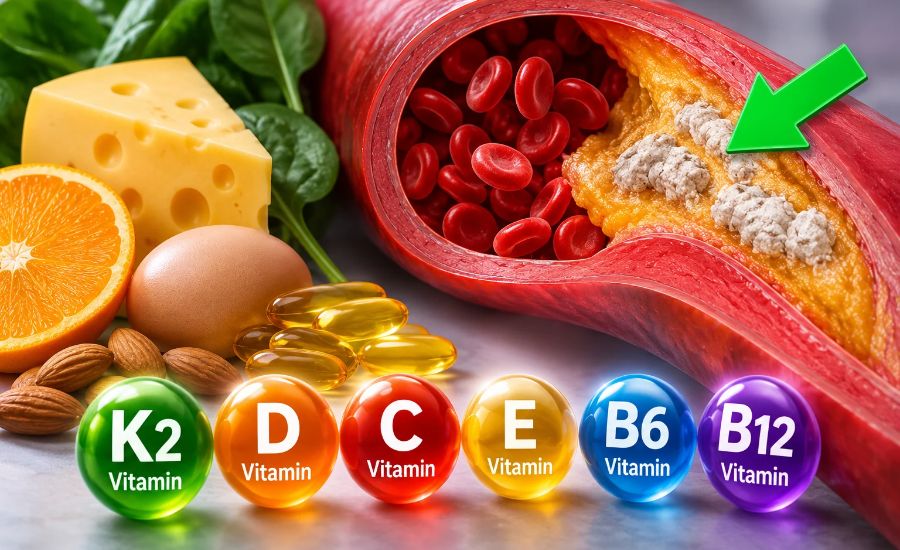

Calcium is essential for strong bones, healthy muscles, and normal nerve function. But when calcium accumulates in the walls of your arteries, it can contribute to a dangerous condition known as vascular calcification. Scientists are investigating how certain vitamins influence calcium metabolism, blood vessel health, and the progression of arterial damage.
Most people associate calcium with healthy bones and teeth. However, calcium also plays an important role in blood clotting, muscle contraction, and cellular communication.
Under normal circumstances, the body carefully regulates calcium levels in the bloodstream.
But calcium can sometimes accumulate in tissues where it does not belong, including the walls of blood vessels.
This process, known as arterial calcification, can make arteries less flexible and is associated with an increased risk of cardiovascular disease.
As researchers investigate why this happens, several vitamins have attracted attention for their roles in calcium regulation, inflammation, and vascular function.
One vitamin in particular, vitamin K2, has emerged as a promising area of research.
But can vitamins actually prevent calcium deposits from forming in the arteries?
The answer is more complicated than many popular health claims suggest.
What Happens When Calcium Builds Up in Your Arteries?
Arterial calcification occurs when calcium-containing minerals accumulate within blood vessel walls.
This process is often associated with atherosclerosis, a condition in which cholesterol, inflammatory cells, and other substances accumulate to form plaques inside arteries.
Over time, these plaques may become calcified.
Calcification can also develop in the muscular layers of arteries, especially among people with chronic kidney disease, diabetes, and certain metabolic disorders.
As the condition progresses, arteries may become stiffer and less capable of expanding and contracting normally.
This can increase pressure on the cardiovascular system.
However, calcium deposits are not simply caused by eating too much calcium.
Vascular calcification is a complex biological process influenced by aging, inflammation, kidney function, metabolic health, and cellular signaling.
The body also produces proteins that help regulate where calcium is deposited.
Some of these proteins depend on specific vitamins to function properly.
1. Vitamin K2: The Vitamin Scientists Are Investigating for Arterial Calcification
Vitamin K2 is one of the most extensively studied nutrients in relation to vascular calcification.
Its potential importance comes from its role in activating a protein known as matrix Gla protein, or MGP.
MGP helps inhibit inappropriate calcium deposition in blood vessel walls.
When vitamin K availability is inadequate, this protein may not function optimally.
Researchers have therefore investigated whether vitamin K supplementation could slow the progression of arterial calcification.
A 2026 randomized clinical trial examining menaquinone-7, a form of vitamin K2, reported slower progression of coronary artery calcification among patients with coronary artery disease.
Another 2026 clinical trial involving people with severe coronary calcification found that a combination of vitamin K2 and vitamin D3 reduced the increase in coronary calcium scores over two years compared with placebo.
These findings are encouraging.
However, earlier randomized trials have produced inconsistent results, and it remains unclear whether slowing changes in calcium scores translates into fewer heart attacks or cardiovascular deaths.
Vitamin K2 has not been established as a treatment that removes existing arterial plaque.
Natural sources of vitamin K2 include:
- Natto, a fermented soybean food
- Certain aged cheeses
- Egg yolks
- Some fermented dairy products
- Small amounts in certain animal foods
People taking warfarin or other vitamin K-antagonist medications should not change their vitamin K intake or begin vitamin K supplements without medical guidance.
2. Vitamin D: Essential for Calcium Balance
Vitamin D helps the body absorb calcium from food and maintain normal calcium and phosphorus concentrations.
It also supports bone health and normal muscle function.
Because vitamin D regulates calcium metabolism, researchers have examined whether it influences vascular calcification.
Adequate vitamin D is important for overall health, but more is not necessarily better.
Excessive vitamin D supplementation can cause abnormally elevated blood calcium levels, potentially leading to kidney damage and calcium deposition in soft tissues.
Large randomized studies have not demonstrated that routine vitamin D supplementation prevents cardiovascular disease in the general population.
The recent studies of vitamin K2 combined with vitamin D3 have generated interest, but they do not prove that vitamin D alone prevents arterial calcification.
Natural sources of vitamin D include:
- Salmon and other fatty fish
- Egg yolks
- UV-exposed mushrooms
- Fortified milk and plant-based beverages
Vitamin D supplements are most appropriate when needed to correct inadequate intake or deficiency.
High-dose supplementation should not be used as a strategy to clear arterial calcium.
3. Vitamin C: Supports Blood Vessel Structure
Vitamin C is an essential antioxidant involved in collagen synthesis.
Collagen is a structural protein that helps maintain the strength and integrity of blood vessel walls.
Vitamin C also helps protect cells from oxidative damage.
Oxidative stress is involved in the development of atherosclerosis and vascular inflammation.
This has led researchers to investigate whether antioxidant vitamins could influence cardiovascular disease.
Although vitamin C is important for normal vascular function, clinical trials have not established that taking vitamin C supplements prevents or reverses coronary artery calcification.
Its most reliable benefits come from supporting normal physiological functions and preventing deficiency.
Natural sources of vitamin C include:
- Red bell peppers
- Kiwi
- Oranges
- Strawberries
- Broccoli
- Brussels sprouts
A varied diet rich in fruits and vegetables provides vitamin C alongside fiber, potassium, and other beneficial compounds.
4. Vitamin E: Protects Cells Against Oxidative Damage
Vitamin E is a fat-soluble antioxidant that helps protect cell membranes from oxidative damage.
Oxidized lipoproteins and inflammatory processes contribute to the development of atherosclerotic plaques.
For this reason, scientists have investigated whether vitamin E supplementation might help protect blood vessels.
However, large clinical trials have not demonstrated consistent cardiovascular benefits from vitamin E supplements.
There is also no convincing evidence that vitamin E supplementation stops calcium accumulation in the arteries.
High-dose vitamin E supplements may increase bleeding risk, particularly in people taking anticoagulant or antiplatelet medications.
Natural sources of vitamin E include:
- Almonds
- Sunflower seeds
- Hazelnuts
- Avocados
- Wheat germ
- Vegetable oils
Obtaining vitamin E through a balanced diet is generally preferable to taking high-dose supplements for cardiovascular protection.
5. Vitamin B6: Helps Regulate Homocysteine Metabolism
Vitamin B6 participates in numerous metabolic processes, including amino acid metabolism and the regulation of homocysteine.
Homocysteine is an amino acid found naturally in the bloodstream.
Elevated homocysteine levels have been associated with increased cardiovascular risk in observational research.
Vitamin B6, together with folate and vitamin B12, helps regulate homocysteine metabolism.
However, reducing homocysteine levels with supplements has not consistently translated into fewer cardiovascular events.
Clinical trials have also failed to demonstrate that B-vitamin supplementation reliably slows arterial calcification.
Vitamin B6 remains essential for normal metabolism, but taking additional amounts does not necessarily provide extra cardiovascular protection.
Natural sources of vitamin B6 include:
- Chickpeas
- Potatoes
- Bananas
- Salmon
- Poultry
- Fortified cereals
Excessive vitamin B6 supplementation can cause peripheral nerve damage, particularly with prolonged use.
6. Vitamin B12 and Folate: Important for Healthy Blood and Metabolism
Vitamin B12 and folate, also known as vitamin B9, work closely with vitamin B6 in homocysteine metabolism.
Both nutrients are necessary for normal red blood cell production and DNA synthesis.
Vitamin B12 is also essential for maintaining normal neurological function.
Deficiencies can contribute to anemia and neurological symptoms.
Although higher homocysteine concentrations are associated with cardiovascular risk, clinical studies have not shown that routine supplementation with B12 and folate reverses vascular calcification.
Correcting a deficiency is important, but supplementation beyond the body’s requirements has not been proven to remove calcium deposits from arteries.
Sources of vitamin B12 include:
- Eggs
- Dairy products
- Fish
- Meat
- Fortified plant-based foods
Sources of folate include:
- Spinach
- Lentils
- Asparagus
- Beans
- Avocados
- Leafy greens
People following vegan diets may require vitamin B12 supplementation because reliable natural plant-based sources are limited.
Does Eating Cheese Cause Calcium to Accumulate in Your Arteries?
One of the most common misconceptions about arterial calcification is that calcium-rich foods directly create hardened deposits inside blood vessels.
The relationship is not that simple.
Calcium from food is absorbed and regulated through complex hormonal and metabolic processes.
Eating cheese, yogurt, or other calcium-rich foods does not automatically cause arterial calcification.
In fact, calcium is an essential nutrient required for normal bone health.
The cardiovascular implications of calcium supplements, especially higher doses, remain an area of scientific investigation.
Some studies have suggested potential cardiovascular concerns with certain supplementation patterns, while others have not identified significant harmful effects.
For most adults, obtaining adequate calcium through food is a reasonable approach.
People who need calcium supplements should discuss appropriate dosing with a healthcare professional, particularly if they have kidney disease or a history of abnormal blood calcium levels.
Warning Signs of Arterial Calcification
Arterial calcification often develops without noticeable symptoms.
Many people are unaware that calcium has accumulated in their blood vessels until imaging tests identify it.
When calcification occurs alongside significant coronary artery disease, symptoms may include:
- Chest discomfort or pressure
- Shortness of breath during physical activity
- Reduced exercise tolerance
- Unusual fatigue
- Discomfort in the jaw, back, shoulder, or arm
However, these symptoms are not specific to calcification and can occur with other cardiovascular conditions.
A coronary artery calcium scan can measure calcified plaque in the coronary arteries and help assess cardiovascular risk in selected patients.
A higher coronary calcium score generally indicates a greater burden of coronary atherosclerosis.
It is important to recognize that calcified plaque is not always identical to an active arterial blockage. Calcium scores must be interpreted within the broader context of cardiovascular risk.
New or severe chest pain, particularly with shortness of breath, sweating, or faintness, requires emergency medical evaluation.
5 Everyday Habits That Help Protect Your Arteries
Although vitamin supplements have not been proven to clear arterial calcium, several lifestyle strategies have stronger evidence for improving cardiovascular health.
1. Eat a heart-supportive diet. Emphasize vegetables, fruits, legumes, whole grains, nuts, and unsaturated fats. Reduce excessive sodium and highly processed foods.
2. Stay physically active. Aim for approximately 150 minutes of moderate-intensity aerobic activity per week, along with appropriate muscle-strengthening exercise.
3. Maintain healthy blood pressure. Elevated blood pressure increases stress on arterial walls and contributes to cardiovascular damage.
4. Manage cholesterol levels. Lowering elevated LDL cholesterol reduces the risk of cardiovascular events, particularly in individuals with established atherosclerotic disease.
5. Avoid smoking. Tobacco exposure accelerates vascular damage and increases the risk of heart attacks, strokes, and peripheral arterial disease.
People with diabetes, chronic kidney disease, or existing heart disease may require additional medical monitoring and individualized treatment.
Can Arterial Calcification Be Reversed Naturally?
There is currently no reliable evidence that a particular vitamin, supplement, herbal remedy, or food can dissolve established calcium deposits in coronary arteries.
Some treatments and lifestyle interventions may reduce cardiovascular risk without necessarily lowering coronary calcium scores.
In fact, certain cholesterol-lowering treatments may increase the density of calcification within existing plaques while reducing their dangerous lipid-rich components.
This illustrates why changes in calcium scores cannot always be interpreted as straightforward improvements or deterioration in cardiovascular health.
Researchers are continuing to investigate therapies that directly influence vascular mineralization.
Vitamin K2 remains an interesting candidate, particularly following more encouraging clinical trial results published in 2026.
However, larger studies evaluating heart attacks, strokes, and cardiovascular deaths are still needed.
Final Thoughts
Calcium buildup in the arteries is a complex process associated with aging, atherosclerosis, diabetes, kidney disease, and cardiovascular risk.
Several vitamins contribute to the biological systems involved in maintaining healthy blood vessels.
Vitamin K2 is especially interesting because it helps activate proteins involved in regulating calcium deposition, and recent clinical trials suggest that supplementation may slow coronary calcification progression in certain patient groups.
Vitamins D, C, E, B6, B12, and folate also support important functions related to calcium metabolism, antioxidant protection, and cardiovascular health.
However, no combination of six vitamins has been scientifically proven to stop or reverse arterial calcification.
The most effective approach to protecting cardiovascular health remains a balanced diet, regular physical activity, appropriate management of blood pressure and cholesterol, and medical assessment when needed.
The important question is not simply how much calcium you consume, but how effectively your body regulates calcium and how well you protect your cardiovascular system throughout life.



Leave a Reply
You must be logged in to post a comment.