
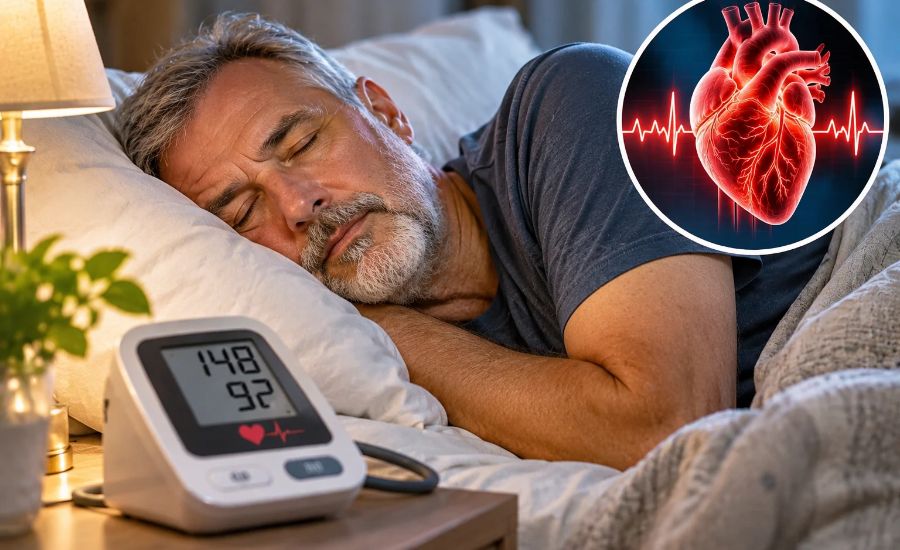

For years, health experts have emphasized the importance of getting enough sleep. From supporting brain function and immunity to protecting cardiovascular health, quality sleep is considered one of the foundations of a healthy lifestyle.
But could sleeping too much also be a warning sign?
Research suggests that people living with cardiovascular disease who regularly sleep for nine hours or longer may face a significantly higher risk of death compared with those who sleep for seven to eight hours.
The findings raise an important question: Is excessive sleep contributing to poor health, or could the body’s increased need for sleep be a sign of an underlying medical problem?
The answer may be more complicated than most people realize.
What Did the New Study Discover?
Published on November 13, 2026, in the scientific journal PLOS One, the study examined data from 3,287 American adults with existing heart disease over approximately 15 years.
Researchers divided the participants into three groups based on their daily sleep duration:
- Six hours or less
- Seven to eight hours
- Nine hours or more
Compared with participants who slept seven to eight hours, those who reported sleeping nine hours or longer had:
- 51% higher risk of death from any cause
- 53% higher risk of heart-related death
- 50% higher risk of death from non-heart-related causes
These figures represent relative increases in mortality hazard, not an individual’s absolute probability of dying.
The findings remained significant after researchers accounted for numerous demographic, lifestyle, and medical factors, although the magnitude of the association varied across statistical analyses.
Why Could Sleeping Too Much Be Linked to Poor Heart Health?
Sleep is essential for physical recovery, immune function, hormonal regulation, and cardiovascular maintenance.
However, regularly needing unusually long periods of sleep may sometimes reflect underlying health problems rather than exceptionally good recovery.
Several potential explanations could help explain this connection.
1. Underlying Heart Disease and Physical Exhaustion
When the heart cannot pump blood efficiently, the body’s tissues may receive insufficient oxygen and nutrients to meet their needs.
This can contribute to persistent fatigue, reduced exercise tolerance, and an increased need for rest.
People experiencing worsening heart failure, for example, may feel exhausted even after a full night’s sleep.
In such cases, increased sleep duration could be a consequence of deteriorating health rather than its cause.
2. Undiagnosed Sleep Apnea
Some people spend nine or ten hours in bed but receive very little restorative sleep.
Obstructive sleep apnea causes repeated interruptions in breathing during sleep. These episodes can reduce blood oxygen levels, disrupt normal sleep cycles, and increase cardiovascular strain.
Common warning signs include loud snoring, waking up gasping for air, morning headaches, excessive daytime sleepiness, and difficulty concentrating.
Someone with undiagnosed sleep apnea may sleep longer in an attempt to compensate for poor sleep quality.
3. Chronic Inflammation
Chronic inflammation plays a role in numerous cardiovascular and metabolic disorders.
Inflammatory processes can also influence fatigue, energy levels, and sleep regulation.
Researchers have proposed that excessive sleep may sometimes reflect an underlying inflammatory burden. However, whether prolonged sleep itself contributes to inflammation or is primarily a consequence of illness remains uncertain.
4. Depression and Mental Health Problems
Depression and cardiovascular disease frequently coexist.
While some individuals with depression experience insomnia, others develop excessive sleepiness, persistent exhaustion, and difficulty getting out of bed.
Depression can also affect physical activity, dietary choices, and adherence to medical treatment.
For this reason, changes in sleeping patterns may provide valuable information about both physical and emotional health.
5. Medication Side Effects and Other Medical Conditions
Certain medications can contribute to daytime drowsiness or fatigue.
Additionally, conditions such as anemia, hypothyroidism, chronic kidney disease, and other underlying illnesses may increase a person’s need for sleep.
Individuals who notice significant changes in their sleeping habits should discuss them with their healthcare provider, particularly if they already have cardiovascular disease.
Does Sleeping Too Much Actually Cause Early Death?
This is one of the most important questions raised by the research.
Although the findings are concerning, the study was observational. It identified an association but could not establish that prolonged sleep directly causes premature death.
Sleep duration was also reported by participants themselves at the beginning of the study rather than objectively monitored throughout the follow-up period.
Other factors, including disease severity, depression, medication use, and undiagnosed sleep disorders, could have influenced the results.
Importantly, the research focused on people with existing heart disease. Its conclusions should not automatically be applied to healthy individuals.
There is currently no evidence from this study that deliberately reducing sleep would improve survival.
How Much Sleep Is Actually Healthy?
Most adults generally need between seven and nine hours of sleep each night.
However, healthy sleep involves more than simply counting the hours spent in bed.
Other important factors include:
- Sleep quality and continuity
- Consistent sleeping and waking times
- Normal breathing during sleep
- Feeling refreshed upon waking
- Maintaining sufficient energy throughout the day
- The absence of excessive daytime sleepiness
Occasionally sleeping longer after physical exertion, illness, travel, or sleep deprivation is not necessarily a cause for concern.
The more important issue is a persistent or unexplained increase in sleep requirements.
7 Warning Signs Your Sleeping Habits May Reveal an Underlying Health Problem
Consider speaking with a healthcare professional if you regularly experience:
- Sleeping nine or more hours but still feeling exhausted.
- A sudden increase in your daily sleep requirements.
- Loud snoring or interrupted breathing during sleep.
- Persistent morning headaches.
- Difficulty staying awake during normal daytime activities.
- Unexplained weakness or reduced physical endurance.
- Shortness of breath during ordinary activities or when lying down.
These symptoms do not necessarily indicate heart disease, but they may warrant further investigation.
Natural Ways to Support Better Sleep and Heart Health
Rather than focusing exclusively on sleeping fewer hours, individuals should prioritize improving sleep quality and supporting overall cardiovascular health.
Maintaining a regular bedtime, getting natural daylight in the morning, exercising according to your physical abilities, avoiding excessive caffeine, and limiting alcohol consumption may help support healthier sleep patterns.
Eating a balanced diet rich in vegetables, fruits, whole grains, legumes, nuts, and healthy fats can also contribute to cardiovascular well-being.
Relaxation techniques such as meditation, gentle stretching, and controlled breathing may help reduce stress and promote restful sleep.
However, lifestyle changes should complement—not replace—appropriate medical treatment for heart disease or diagnosed sleep disorders.
Final Thoughts
We often hear about the dangers of not getting enough sleep, but regularly sleeping too much may also deserve attention.
This new research highlights the possibility that prolonged sleep could serve as an overlooked indicator of health vulnerability in people living with heart disease.
The message is not that sleep is dangerous or that people should force themselves to sleep less.
Instead, it is a reminder that persistent exhaustion, unusual sleeping patterns, and unexplained changes in energy levels should not be ignored.
Sometimes, the amount of sleep your body needs may reveal something important about your overall health.




Leave a Reply
You must be logged in to post a comment.