
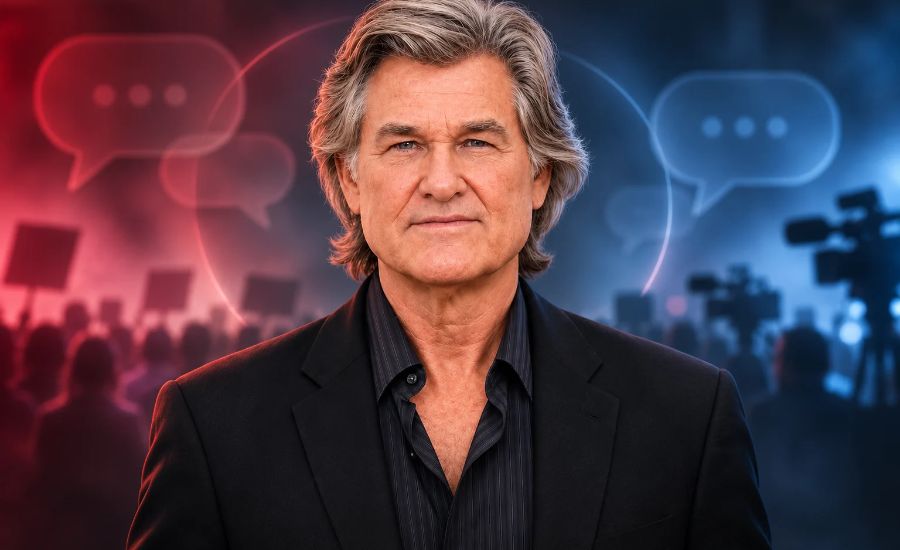

A controversial statement attributed to Hollywood actor Kurt Russell is circulating across social media, reigniting a heated debate about parenting, gender identity, childhood development and celebrity influence.
The viral post claims that people are boycotting the actor after he allegedly said:
“Kids don’t need new genders, they need normal parents.”
The statement has divided social media users, with some supporting the alleged message and others criticizing its implications for LGBTQ+ individuals and families.
However, an important question remains: did Kurt Russell actually make this statement, or is his name being attached to an unverified quote?
The Truth Behind the Viral Kurt Russell Quote
The controversial statement gained widespread attention in July 2026 after appearing on Facebook, Instagram, X and other social media platforms.
Among those amplifying the claim was conservative media personality David J. Harris Jr., who shared posts suggesting that Russell had publicly criticized modern approaches to parenting and gender identity.
However, independent fact-checking organization Snopes investigated the alleged statement and found no credible evidence that Russell actually made it.
There is no verified interview, video recording, official statement or reliable media report establishing that the actor expressed these views.
Similar posts attributing the statement to Russell were circulating as early as May 2026.
Despite the renewed attention surrounding the controversy, there is also insufficient evidence of a widespread, organized boycott against the actor.
Why Has the Statement Generated Such Strong Reactions?
Although the quote has not been authenticated, the subject it addresses remains one of the most controversial social issues in contemporary society.
Parents, educators, healthcare professionals and policymakers continue to debate how children should be introduced to concepts surrounding gender identity, sexuality and personal development.
Some parents believe that childhood should be protected from complex social and political discussions until children reach an appropriate level of maturity.
Others argue that age-appropriate education about diversity, identity and acceptance can help children develop empathy and reduce discrimination.
The controversy reflects broader disagreements about parental authority, educational responsibilities, individual freedom and children’s emotional well-being.
The Growing Debate Over Parental Responsibility
At the center of the discussion is an important question: what do children need most from their parents?
Regardless of political or cultural beliefs, healthy childhood development depends heavily on emotional security, consistent guidance, affection, communication and a stable home environment.
Children benefit from parents who listen to their concerns, establish appropriate boundaries and provide reassurance during periods of uncertainty.
Family stability and supportive relationships can help children develop confidence, resilience and a healthy sense of self.
However, effective parenting is not determined simply by a parent’s gender, sexual orientation, political beliefs or family structure.
The quality of care, emotional availability and safety within the home are fundamental factors in a child’s development.
Should Parents Have the Final Say in Their Children’s Education?
Another issue fueling the controversy is the role of parents in decisions surrounding their children’s education.
Many parents believe they should have greater involvement in determining when and how sensitive subjects are introduced in schools.
Others believe educational institutions have a responsibility to teach children about different people, backgrounds and experiences in an age-appropriate manner.
Finding a balance between parental involvement, educational responsibilities and children’s individual needs remains a significant challenge.
Open communication between families, educators and qualified healthcare professionals may help prevent misunderstandings and unnecessary conflict.
Why Celebrities Are Increasingly Used in Culture Wars
Kurt Russell is far from the first Hollywood actor to become the subject of an unverified political or cultural statement.
Celebrity photographs accompanied by controversial quotations have become a common feature of social media.
These posts often generate thousands of reactions because they combine recognizable public figures with emotionally charged subjects.
A familiar celebrity face can make an opinion appear more authoritative, even when the individual never expressed it.
In Russell’s case, other fabricated political quotations have circulated online in previous years.
Such incidents demonstrate how easily misinformation can influence public perception and potentially damage someone’s reputation.
What Children Really Need for Healthy Emotional Development
While debates surrounding gender identity and parenting continue, several fundamental principles of healthy childhood development remain important.
Children generally benefit from:
- A safe and emotionally supportive home environment.
- Consistent parental affection and involvement.
- Age-appropriate conversations about sensitive subjects.
- Healthy boundaries and predictable routines.
- Opportunities to express their feelings without humiliation.
- Protection from bullying, discrimination and abuse.
- Access to professional assistance when experiencing psychological distress.
Children should not become instruments of political conflict between adults.
Their physical safety, emotional development and long-term well-being should remain the primary concern.
Is Social Media Making Parenting More Difficult?
Modern parents face challenges that previous generations rarely encountered.
Children are increasingly exposed to social media, online influencers, conflicting information and unrealistic expectations from an early age.
Parents themselves are constantly confronted with competing opinions about how they should raise their children.
This environment can create anxiety, uncertainty and unnecessary pressure within families.
Rather than relying exclusively on viral statements or celebrity opinions, parents may benefit from informed discussions, reliable educational resources and professional guidance when necessary.
Should Celebrities Be Boycotted for Expressing Personal Opinions?
The alleged Kurt Russell controversy also raises questions about freedom of expression and cancel culture.
Some people argue that consumers have every right to stop supporting celebrities whose views conflict with their personal values.
Others believe public figures should be allowed to express unpopular opinions without facing professional or financial consequences.
However, in this particular case, the absence of an authenticated statement makes the alleged boycott especially questionable.
Criticizing or defending someone based on words they may never have spoken highlights the dangers of reacting to social media content without checking its authenticity.
The Bottom Line
The controversial parenting statement attributed to Kurt Russell has sparked renewed discussion about childhood, gender identity, parental responsibility and freedom of expression.
However, available evidence does not establish that the actor actually made the statement or that a substantial organized boycott is taking place.
People can debate sensitive social issues without spreading misleading information or attributing unverified opinions to public figures.
Ultimately, the most important question should not be which celebrity supports a particular viewpoint, but how society can ensure that children grow up feeling safe, loved, respected and emotionally supported.
What do you think? Should parents have greater control over when and how sensitive social topics are introduced to their children?




Leave a Reply
You must be logged in to post a comment.