
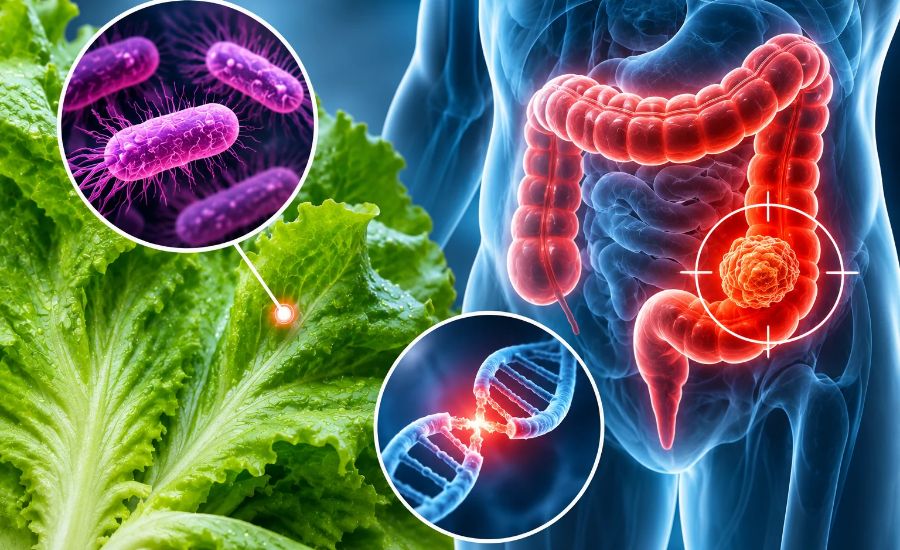

Colorectal cancer was once considered a disease that primarily affected older adults. However, an alarming increase in diagnoses among people in their 20s, 30s, and 40s has left scientists searching for answers.
While poor dietary habits, obesity, physical inactivity, and environmental exposures have all been investigated as possible contributing factors, researchers are now focusing on something that may have been living inside the human digestive system since childhood.
Certain strains of Escherichia coli, commonly known as E. coli, produce a toxic compound called colibactin, which can damage human DNA.
An international study published in the scientific journal Nature in April 2025 suggests that exposure to this bacterial toxin during childhood could contribute to the development of colorectal cancer decades later.
The discovery raises an important question: could changes in the human gut microbiome be accelerating the development of cancer in younger generations?
Scientists Discover a Disturbing Pattern in Younger Cancer Patients
An international team of researchers led by scientists at the University of California San Diego analyzed 981 colorectal cancer genomes from patients across 11 countries.
Their investigation identified distinctive genetic mutations associated with exposure to colibactin.
These mutations were 3.3 times more common in patients diagnosed before the age of 40 than in those diagnosed after the age of 70.
Researchers also found evidence suggesting that some of this genetic damage may occur during the earliest stages of life, potentially within the first decade.
This could mean that certain biological processes contributing to colorectal cancer begin long before the first symptoms appear.
The findings provide an important new direction for cancer research, although they do not establish colibactin as the sole cause of rising colorectal cancer rates.
What Is Colibactin and How Can It Damage the Body?
E. coli bacteria naturally inhabit the human digestive tract. Most strains are harmless, and some contribute to normal intestinal function.
However, certain strains possess a group of genes known as the pks island, which enables them to produce colibactin.
This compound can damage DNA inside the cells lining the colon. When cells repeatedly experience genetic damage, mutations may accumulate, potentially interfering with the mechanisms that regulate cell growth and division.
Over time, some of these mutations may contribute to tumor formation.
What makes colibactin particularly interesting to scientists is that it leaves recognizable patterns of genetic damage, allowing researchers to investigate previous exposure by examining tumor DNA.
Could Colon Cancer Begin Developing During Childhood?
One of the most striking aspects of the research is the possibility that childhood exposure to certain intestinal bacteria could influence cancer risk much later in life.
Cancer generally develops through a gradual accumulation of genetic alterations rather than a single biological event.
If cancer-promoting mutations begin accumulating unusually early, some individuals could develop colorectal cancer decades sooner than expected.
Scientists are now investigating whether childhood diet, antibiotic exposure, environmental factors, and changes in gut bacteria could influence this process.
However, further research is necessary to determine how these factors interact.
What About E. Coli Outbreaks Linked to Lettuce?
In 2024, the United Kingdom experienced a significant E. coli outbreak associated with contaminated lettuce used in commercially prepared sandwiches.
The outbreak resulted in 293 confirmed infections, numerous hospitalizations, and two deaths.
Leafy vegetables can become contaminated through polluted irrigation water, animal waste, flooding, or improper handling during food production.
Because lettuce is generally consumed raw, harmful bacteria may survive until the food is eaten.
However, an important distinction must be made: the Shiga toxin-producing E. coli associated with this food poisoning outbreak is different from the colibactin-producing bacteria investigated in the colorectal cancer study.
There is currently no established evidence that eating contaminated lettuce causes colorectal cancer.
The two issues highlight different potential health risks associated with bacteria belonging to the same species.
Why Is Colorectal Cancer Increasing Among Younger Adults?
According to the American Cancer Society’s 2026 colorectal cancer statistics, incidence rates among Americans aged 20 to 49 increased by approximately 3% annually between 2013 and 2022.
During the same period, rates among adults aged 65 and older declined by approximately 2.5% annually.
Researchers are investigating several possible contributing factors, including:
- Diets high in processed and red meat
- Insufficient dietary fiber
- Excessive alcohol consumption
- Obesity and metabolic disorders
- Physical inactivity
- Changes in the gut microbiome
- Environmental exposures
- Antibiotic exposure
- Genetic predisposition
The emergence of colibactin as a potential contributor suggests that researchers may need to pay closer attention to the relationship between intestinal microorganisms and long-term disease development.
Can Probiotics Protect Against Colibactin?
Scientists are exploring whether targeted treatments could reduce the presence or activity of colibactin-producing bacteria in the digestive tract.
Potential approaches include specialized probiotics, targeted antimicrobial therapies, and interventions designed to modify the intestinal microbiome.
Researchers are also investigating whether stool-based tests could help identify individuals exposed to harmful bacterial strains.
However, these approaches remain experimental. No commercially available probiotic has been proven to prevent colorectal cancer caused by colibactin exposure.
Early Warning Signs of Colorectal Cancer You Should Never Ignore
Many younger adults may overlook colorectal cancer symptoms because they believe they are too young to develop the disease.
Unfortunately, this assumption can delay diagnosis.
Potential warning signs include:
- Blood in the stool
- Persistent changes in bowel habits
- Unexplained weight loss
- Recurring abdominal pain or cramping
- Persistent constipation or diarrhea
- Unexplained iron deficiency anemia
- Persistent fatigue
- A sensation that the bowel has not emptied completely
These symptoms can also occur with less serious conditions, but persistent or unexplained symptoms should always be medically evaluated.
How to Reduce Your Risk of Colorectal Cancer
Although researchers are still investigating the role of colibactin, several established lifestyle measures may help reduce colorectal cancer risk.
Eat More Fiber-Rich Foods
Vegetables, fruits, legumes, nuts, seeds, and whole grains provide dietary fiber that supports intestinal health.
Beneficial gut bacteria ferment certain types of fiber, producing short-chain fatty acids such as butyrate, which help maintain normal colon cell function.
Limit Processed Meat
Frequent consumption of processed meats, including bacon, sausages, and certain deli meats, is associated with an increased risk of colorectal cancer.
Stay Physically Active
Regular physical activity is associated with a lower risk of colon cancer and supports metabolic health, healthy body weight, and normal digestive function.
Avoid Smoking and Limit Alcohol
Both smoking and alcohol consumption are recognized risk factors for colorectal cancer.
Practice Good Food Hygiene
Wash fresh produce under running water, prevent cross-contamination, refrigerate perishable foods appropriately, and follow official food recall notices.
Washing vegetables can reduce bacterial contamination, but it cannot guarantee the complete removal of harmful microorganisms.
Get Screened at the Appropriate Age
In the United States, routine colorectal cancer screening is recommended beginning at age 45 for adults at average risk.
People with a family history of colorectal cancer, inflammatory bowel disease, or certain inherited conditions may require earlier screening.
Anyone experiencing concerning symptoms should seek medical evaluation regardless of age.
Final Thoughts
The discovery of colibactin-associated genetic mutations represents an important development in understanding why colorectal cancer is becoming increasingly common among younger adults.
It also challenges scientists to investigate how early-life exposures and interactions between intestinal bacteria and human cells may influence health decades later.
While the research does not prove that E. coli is responsible for the global rise in colorectal cancer, it provides a compelling biological mechanism that deserves further investigation.
The relationship between human health and the trillions of microorganisms living inside our bodies may be far more complex than previously imagined.
Understanding what happens inside our gut today could eventually help prevent diseases that develop decades into the future.



Leave a Reply
You must be logged in to post a comment.