
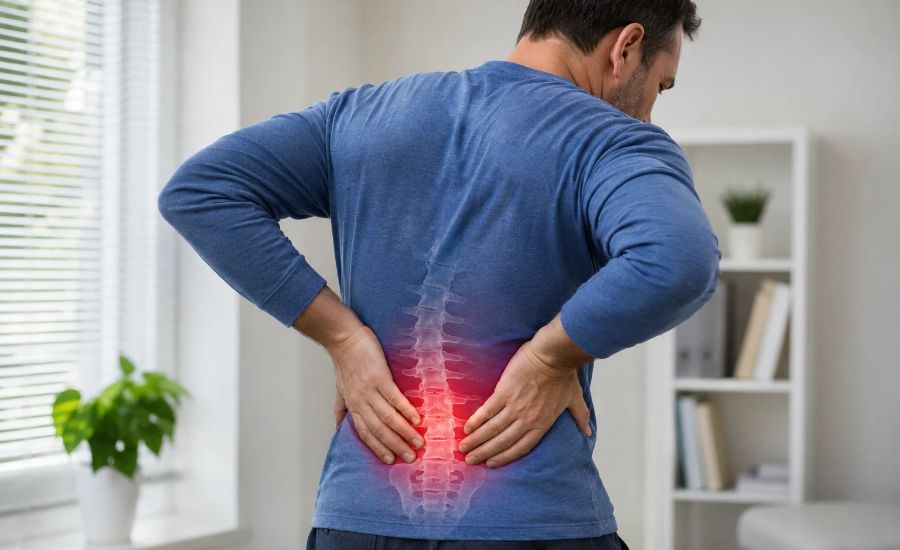

Do you frequently wake up with a stiff lower back, experience discomfort after sitting for long periods, or struggle with recurring back pain despite avoiding strenuous physical activity?
The problem may be hiding in your everyday routine.
From the mattress you sleep on to the shoes you wear and the amount of time you spend looking at your phone, seemingly harmless daily habits may contribute to lower back discomfort.
According to the World Health Organization, lower back pain affected approximately 619 million people worldwide in 2020 and is the leading cause of disability globally.
Although injuries, age-related changes, and underlying medical conditions can contribute to back pain, everyday lifestyle habits may also influence how frequently discomfort occurs and how long it lasts.
Here are eight habits that could be making your lower back pain worse without you realizing it.
1. Sleeping on the Wrong Mattress
Many people assume that a softer mattress provides better comfort and relaxation. However, excessive softness may not provide adequate support for some individuals.
Conversely, an extremely firm mattress may create uncomfortable pressure points around the hips and shoulders.
A randomized clinical trial published in The Lancet in 2003 found that medium-firm mattresses produced better outcomes than firm mattresses in people with chronic nonspecific lower back pain.
If you regularly experience stiffness or discomfort immediately after waking up, your sleeping surface may be worth reconsidering.
Sleeping on your side with a pillow between your knees or on your back with a pillow beneath your knees may also improve comfort.
2. Spending Too Much Time Looking at Your Phone
Scrolling through social media, answering messages, or watching videos can keep your body in the same position for surprisingly long periods.
Leaning forward while looking at a screen can increase muscular fatigue around the neck, shoulders, and back.
Although there is no single perfect posture that prevents back pain, remaining in an uncomfortable position for extended periods may aggravate existing symptoms.
Try holding your phone closer to eye level, changing positions regularly, and taking frequent movement breaks.
3. Doing Household Chores Without Taking Breaks
Vacuuming, mopping, gardening, washing dishes, and carrying laundry may seem like harmless activities, but they often involve repetitive movements, bending, twisting, and prolonged standing.
These movements can fatigue the muscles that support the lower spine, particularly when performed for extended periods.
Even carrying a heavy shopping bag on one side of the body may contribute to discomfort.
Try alternating between tasks, distributing weight evenly, keeping heavy objects close to your body, and taking short breaks before your muscles become exhausted.
4. Wearing Uncomfortable or Unsupportive Shoes
Your feet are the foundation of your body’s movement.
Frequently wearing high heels, uncomfortable flip-flops, or poorly fitting shoes may change how you walk and distribute your body weight.
These changes can affect the muscles around the hips, pelvis, and lower back.
Although scientific evidence directly linking specific types of footwear to chronic back pain remains limited, some individuals may notice that certain shoes aggravate their symptoms.
Choose comfortable, well-fitting footwear, particularly when walking or standing for extended periods.
5. Eating a Nutritionally Poor Diet
Could your eating habits influence your lower back pain?
Diets dominated by highly processed foods, added sugars, and excessive calories may contribute to weight gain and metabolic problems associated with chronic low-grade inflammation.
Excess body weight is also a recognized risk factor for lower back pain.
Although specific foods have not been proven to directly cause or cure back pain, a balanced diet can support muscle function, bone health, and overall physical well-being.
Consider including more vegetables, fruits, legumes, nuts, seeds, olive oil, and adequate sources of protein in your daily diet.
6. Smoking Cigarettes
Most people associate smoking with lung disease, cardiovascular problems, and cancer. However, its potential effects on spinal health are frequently overlooked.
Smoking may impair blood circulation, interfere with tissue repair, and contribute to the deterioration of structures supporting the spine.
Research has consistently identified smoking as a risk factor associated with lower back pain.
Although quitting smoking may not immediately eliminate existing back pain, it can provide substantial long-term health benefits.
7. Sitting for Hours Without Moving
Modern lifestyles often involve spending prolonged periods at a desk, behind the steering wheel, or on the sofa.
Remaining in the same position for hours can contribute to muscular fatigue, stiffness, and reduced movement tolerance.
Research examining sitting time and lower back pain has produced mixed findings. However, physical inactivity is a recognized risk factor for nonspecific lower back pain.
Taking a short walking break every 30–60 minutes may help reduce stiffness and make prolonged desk work more comfortable.
The goal is not to maintain a perfectly straight posture throughout the day, but to move regularly and avoid remaining in one position for too long.
8. Avoiding Exercise Because Your Back Hurts
When your back hurts, your natural instinct may be to stop moving and spend more time resting.
However, prolonged inactivity can sometimes make recovery more difficult.
Muscles supporting the spine, including the abdominal, gluteal, and back muscles, play important roles in movement and physical stability.
Avoiding exercise for extended periods may reduce muscular strength, mobility, and physical confidence.
Gentle walking, appropriate stretching, swimming, and gradually introduced strengthening exercises may help improve function and manage recurring discomfort.
A physiotherapist can help identify exercises appropriate for your condition.
What If Your Lower Back Pain Is Not Coming From Your Spine?
Not all lower back pain originates in muscles, joints, or spinal discs.
In some cases, discomfort may be associated with an underlying medical condition, including kidney stones, kidney infections, endometriosis, inflammatory spinal conditions, osteoporosis, or nerve compression.
Rarely, back pain can indicate a more serious condition, such as a spinal infection, fracture, cancer, or an abdominal aortic aneurysm.
Pain that does not respond to changes in movement, persists for several weeks, or occurs alongside other unexplained symptoms deserves medical attention.
Warning Signs of Lower Back Pain You Should Never Ignore
Seek medical assessment if your back pain is accompanied by persistent fever, unexplained weight loss, worsening nighttime pain, or blood in the urine.
Seek emergency medical attention if you experience:
- New loss of bladder or bowel control
- Difficulty urinating
- Numbness around the genitals or anus
- Severe or progressive weakness in both legs
- Sudden, severe back pain accompanied by abdominal pain, fainting, or collapse
These symptoms may indicate a serious medical condition requiring immediate treatment.
Simple Ways to Support a Healthier Lower Back
Small, consistent lifestyle changes may help improve back comfort and mobility.
Try incorporating regular walking, gradual muscle-strengthening exercises, adequate sleep, balanced nutrition, and frequent movement breaks into your daily routine.
Applying gentle heat may also provide temporary relief from muscle stiffness and spasms.
Remember that experiencing back pain does not necessarily mean your spine is damaged. Most lower back pain is nonspecific, meaning that no single structural cause can be identified.
Final Thoughts
Lower back pain is not always the result of a dramatic injury or lifting something too heavy.
Sometimes, everyday activities, prolonged inactivity, poor sleep, and other lifestyle factors can influence how your back feels and functions.
Identifying the habits that aggravate your symptoms may be an important first step toward improving your comfort, mobility, and quality of life.
Before blaming your age for that persistent lower back pain, take a closer look at what you do every single day.




Leave a Reply
You must be logged in to post a comment.