
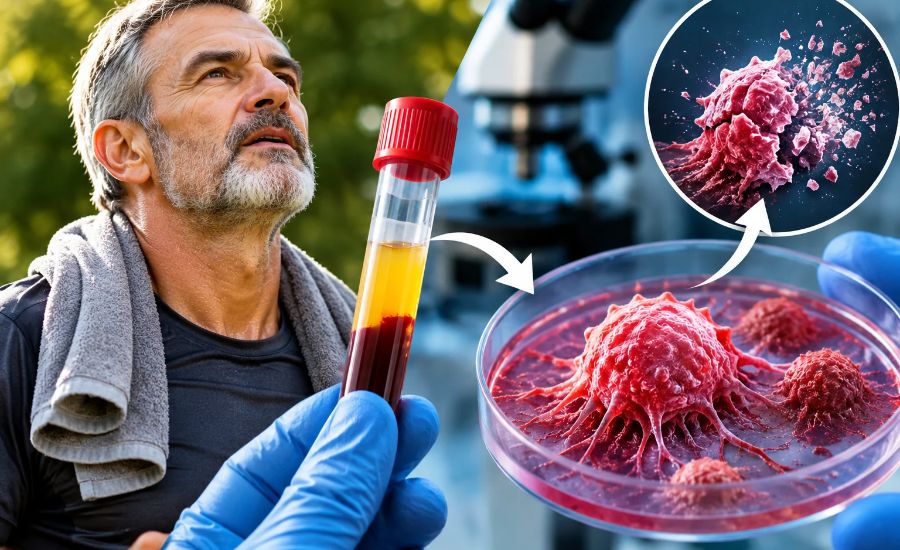

What if every time you exercise, your muscles release powerful biological substances into your bloodstream that can influence the behavior of cancer cells?
It may sound extraordinary, but scientists have conducted experiments in which human blood serum collected after physical activity was introduced to cancer cells in a laboratory.
The results were fascinating: certain cancer cells grew more slowly, while some experiments even observed an increase in programmed cancer cell death.
These discoveries are changing how researchers understand the relationship between physical activity and cancer biology.
Exercise may be doing much more than strengthening your muscles, improving circulation, and helping you maintain a healthy weight. It may also temporarily change the biological environment inside your body in ways that influence cancer-related cellular processes.
Scientists Collected Blood Before and After Exercise
Researchers investigating the relationship between exercise and cancer have used a fascinating experimental approach.
First, they collect blood samples from participants before physical activity. The participants then complete an exercise session, after which additional blood samples are collected.
Scientists separate the serum, the liquid portion remaining after blood has clotted, and introduce it into laboratory cultures containing cancer cells.
By comparing the effects of serum collected before and after exercise, researchers can investigate whether physical activity produces biological changes capable of influencing cancer cell behavior.
Several studies have reported that post-exercise serum can reduce cancer cell proliferation, decrease cellular viability, and, under certain experimental conditions, promote programmed cell death.
However, these experiments take place outside the human body, an important distinction when interpreting the findings.
A 2025 Study Found That Post-Exercise Serum Promoted Breast Cancer Cell Death
A study published in the Journal of Sport and Health Science in 2025 investigated the effects of exercise-related biological changes on breast cancer cells.
The researchers collected blood samples from breast cancer patients participating in a 12-week exercise program during chemotherapy.
They exposed two different types of breast cancer cells to the collected serum:
- Hormone-sensitive breast cancer cells (MCF-7)
- Triple-negative breast cancer cells (MDA-MB-231)
The researchers observed reduced metabolic activity, increased cellular damage, and signs of programmed cell death in both types of cancer cells.
They also investigated substances released by muscle cells following mechanical stimulation and observed similar effects under laboratory conditions.
These findings suggest that contracting muscles may release biological molecules capable of influencing cancer cell survival.
However, the experiment did not demonstrate that exercising directly destroys tumors inside patients.
Your Muscles Are More Than Just a Source of Physical Strength
For many years, skeletal muscles were primarily viewed as structures responsible for movement, strength, and physical stability.
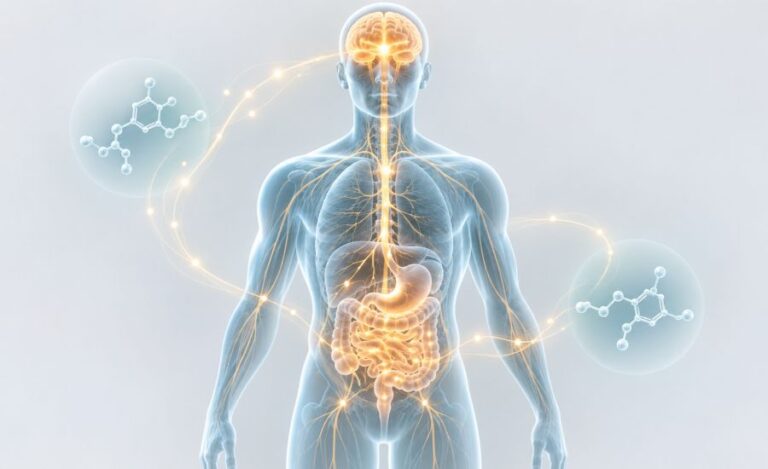
Scientists now recognize that muscles also function as endocrine organs, releasing signaling molecules that communicate with other parts of the body.
When your muscles contract during physical activity, they release substances known as myokines.
These molecules participate in various physiological processes, including immune regulation, metabolism, inflammation, and cellular communication.
Some exercise-related molecules currently being investigated in cancer research include:
- Interleukin-6 (IL-6)
- Oncostatin M (OSM)
- Decorin
- Secreted protein acidic and rich in cysteine (SPARC)
- Irisin
Scientists are investigating whether these substances can influence the biological processes that allow certain cancer cells to grow and survive.
Interestingly, you do not necessarily need months of physical training to experience changes in circulating signaling molecules. Some of these changes occur during or shortly after an individual exercise session.
Could a Single Workout Influence Cancer Cell Growth?
In 2025, another study published in Breast Cancer Research and Treatment investigated whether a single exercise session could alter circulating myokines and affect breast cancer cell growth.
Breast cancer survivors participated in resistance training or high-intensity interval training.
Blood samples were collected before exercise, immediately afterward, and 30 minutes after the session.
Researchers found changes in circulating myokines and observed that post-exercise serum suppressed the growth of triple-negative breast cancer cells under laboratory conditions.
The findings are particularly interesting because they suggest that even one workout can temporarily alter the biochemical composition of the bloodstream.
Nevertheless, scientists have not established an optimal exercise intensity or duration for producing clinically meaningful cancer-suppressing effects in humans.
How Could Exercise Influence Cancer Biology?
Researchers are investigating several mechanisms that may help explain the relationship between regular physical activity and cancer risk.
1. Exercise May Influence Programmed Cell Death
Healthy cells possess mechanisms that allow damaged or unnecessary cells to undergo controlled self-destruction, a process called apoptosis.
Cancer cells can develop ways to evade these mechanisms, allowing abnormal cells to survive and multiply.
Certain laboratory experiments suggest that exercise-related circulating molecules may influence pathways involved in apoptosis.
Understanding these interactions could help researchers identify new opportunities for cancer treatment research.
2. Exercise Supports Immune Surveillance
Your immune system constantly monitors the body for infections, damaged cells, and abnormal cellular activity.
Physical activity can temporarily mobilize immune cells, including natural killer cells, into the bloodstream.
Natural killer cells are capable of recognizing and destroying certain abnormal cells.
Researchers are investigating whether exercise-related changes in immune cell activity contribute to the relationship between physical activity and cancer outcomes.
3. Exercise Helps Regulate Chronic Inflammation
Chronic inflammation can contribute to the development and progression of several diseases, including certain cancers.
Although individual exercise sessions temporarily increase some inflammatory signals, regular physical activity can help improve long-term inflammatory regulation.
This may create a healthier metabolic environment throughout the body.
4. Exercise Improves Insulin Sensitivity
Regular physical activity helps muscles absorb glucose and improves insulin sensitivity.
Elevated insulin levels and metabolic dysfunction have been associated with an increased risk of certain cancers.
By supporting healthier blood sugar regulation and metabolic function, exercise may help reduce some of these risk factors.
5. Exercise Influences Hormonal Regulation
Physical activity can influence circulating hormones associated with metabolism, body composition, and cellular growth.
This may be particularly relevant to certain hormone-sensitive cancers.
However, these biological effects vary considerably depending on the individual, cancer type, and exercise routine.
A Major Human Clinical Trial Found Benefits Beyond the Laboratory
While laboratory experiments are fascinating, an even more important question is whether exercise can improve outcomes in actual cancer patients.
In 2025, a major randomized clinical trial known as CHALLENGE was published in The New England Journal of Medicine.
The trial involved 889 patients with stage III or high-risk stage II colon cancer who had completed surgery and chemotherapy.
Participants were assigned either to a structured three-year exercise program or to a group receiving health education.
The five-year disease-free survival results were particularly encouraging:
- Exercise group: 80.3%
- Health education group: 73.9%
The exercise group also demonstrated findings consistent with improved overall survival.
Unlike experiments involving isolated cancer cells, this study examined actual clinical outcomes in human patients.
It provides strong evidence that structured physical activity can play an important complementary role following conventional treatment for certain colon cancers.
However, the results should not automatically be generalized to every cancer type or stage.
Which Types of Cancer Have Been Studied?
Researchers have investigated the effects of exercise-conditioned serum on several types of cancer cells, including breast, prostate, colorectal, and lung cancer cells.
A systematic review published in the European Journal of Cancer Prevention in 2026 examined laboratory studies investigating the effects of serum collected following individual exercise sessions and longer-term training programs.
The evidence suggested that serum obtained after acute exercise can suppress the growth of several cancer cell types under laboratory conditions.
Nevertheless, the available studies differ in their exercise protocols, participant characteristics, and experimental methods.
Further research is necessary to determine how these laboratory findings translate into clinical benefits.
How Much Exercise Should You Get?
For most healthy adults, general physical activity recommendations include 150 to 300 minutes of moderate-intensity aerobic activity per week or 75 to 150 minutes of vigorous activity, alongside muscle-strengthening exercises at least twice weekly.
Activities that can help you remain physically active include brisk walking, cycling, swimming, dancing, jogging, resistance training, and hiking.
People undergoing cancer treatment may need individually adapted exercise programs, particularly if they experience anemia, severe fatigue, bone metastases, neuropathy, or other treatment-related complications.
An oncology healthcare professional or qualified exercise specialist can help determine an appropriate level of activity.
Does This Mean Exercise Can Cure Cancer?
No. This distinction is essential.
A substance that suppresses cancer cell growth in a laboratory does not necessarily produce the same effect inside the human body.
Tumors exist within complex biological environments involving blood vessels, immune cells, surrounding tissues, and numerous signaling pathways.
Exercise has important benefits for cancer prevention, physical functioning, quality of life, and some treatment outcomes. However, it is not a substitute for surgery, chemotherapy, radiotherapy, immunotherapy, or other medically indicated treatments.
The exciting possibility is that physical activity may complement conventional cancer care through biological mechanisms that scientists are only beginning to understand.
Final Thoughts
Every time you move your body, you initiate a remarkable series of biochemical reactions.
Your muscles release signaling molecules, your immune system responds, your metabolism changes, and the composition of your bloodstream temporarily shifts.
Scientists are now discovering that some of these changes can influence the growth and survival of cancer cells in laboratory experiments.
Large clinical trials are also providing encouraging evidence that structured exercise can improve outcomes in certain cancer survivors.
Although many questions remain unanswered, these discoveries highlight something extraordinary about the human body.
Exercise does not just change how your body looks or feels. It changes its internal chemistry, and those changes may have more profound biological consequences than we previously imagined.


Leave a Reply
You must be logged in to post a comment.