
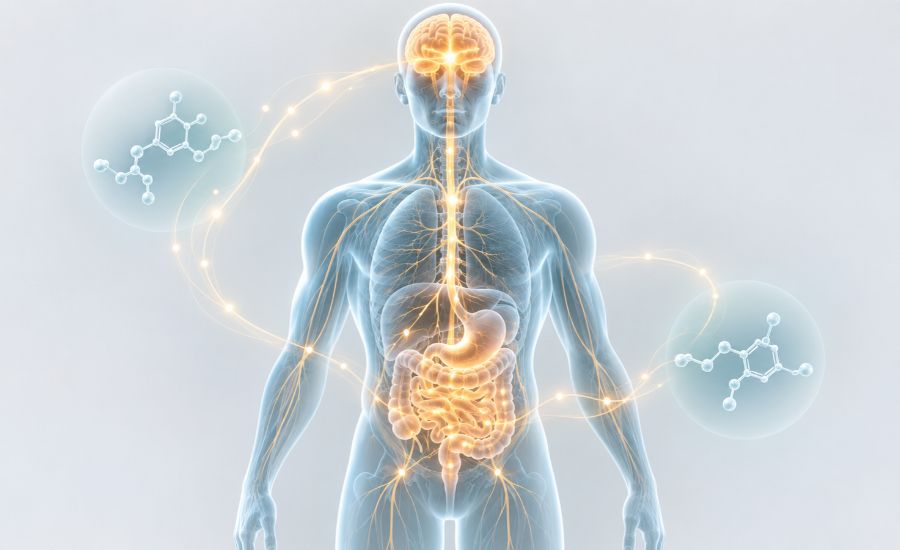

What if your body already possessed a natural system capable of influencing pain, pleasure, relaxation, appetite, and emotional balance?
Believe it or not, the human body produces its own cannabis-like chemicals, even if you have never consumed cannabis in your life.
These remarkable compounds are called endocannabinoids, and they belong to an extensive biological network known as the endocannabinoid system (ECS).
This system helps regulate numerous physiological processes, from how you respond to stress to how your body experiences pain and pleasure.
Even more fascinating, certain everyday activities, particularly physical exercise, may naturally increase circulating endocannabinoid levels.
Could this help explain why you feel happier after a workout, more relaxed after a walk, or less sensitive to pain after physical activity?
Scientists are discovering that the answer may lie, in part, within your body’s own chemistry.
What Is the Endocannabinoid System?
The endocannabinoid system is a complex cell-signaling network found throughout the human body.
It was identified through research into how cannabis-derived compounds interact with the body in the late 20th century.
Scientists discovered that humans possess specialized cannabinoid receptors and naturally produce compounds capable of interacting with them.
The endocannabinoid system helps regulate:
- Mood and emotional responses
- Pain perception
- Appetite and metabolism
- Sleep
- Memory and learning
- Immune responses
- Stress adaptation
- Reproductive functions
One of its important roles is maintaining homeostasis, the body’s ability to regulate its internal environment despite changing external conditions.
Unlike many other signaling molecules, endocannabinoids are often produced on demand and broken down relatively quickly after performing their functions.
Meet Your Body’s Two Main Cannabis-Like Chemicals
Scientists have identified two major endocannabinoids that play particularly important roles in human physiology.
Anandamide: The “Bliss Molecule”
Discovered in 1992, anandamide derives its name from the Sanskrit word ananda, meaning bliss or happiness.
This naturally occurring lipid-based molecule is involved in regulating mood, pleasure, pain perception, appetite, and memory.
Anandamide interacts with some of the same receptors activated by THC, the primary intoxicating compound found in cannabis.
However, unlike THC, anandamide is produced internally and is generally broken down rapidly by an enzyme known as fatty acid amide hydrolase (FAAH).
Researchers believe anandamide may contribute to the feelings of relaxation and emotional well-being that some people experience after physical activity.
2-AG: The Body’s Regulatory Messenger
The second major endocannabinoid is 2-arachidonoylglycerol, commonly known as 2-AG.
It is involved in regulating nervous system communication, immune responses, appetite, and various metabolic processes.
Together, anandamide and 2-AG help coordinate communication between cells and influence how the body responds to internal and external changes.
How Does Your Body Respond to Its Own Cannabis-Like Chemicals?
The endocannabinoid system contains two major types of cannabinoid receptors.
CB1 receptors are particularly abundant in the brain and central nervous system, where they participate in regulating memory, movement, appetite, emotional responses, and pain perception.
CB2 receptors are strongly associated with immune cells and are involved in regulating immune responses and inflammatory signaling. They are also found in other tissues.
When endocannabinoids interact with these receptors, they influence cellular activity and communication.
You can think of the endocannabinoid system as one of the body’s internal regulatory networks, constantly responding to changing physiological demands.
Is the Runner’s High Actually a Natural Cannabis-Like Effect?
For decades, scientists believed that the euphoric feeling experienced after running was primarily caused by endorphins.
However, research suggests that the explanation may be more complex.
In a randomized human study published in Psychoneuroendocrinology in 2021, researchers investigated whether blocking opioid receptors would prevent the emotional benefits associated with running.
The experiment involved 63 participants.
Surprisingly, blocking opioid receptors did not eliminate the feelings of euphoria or reduced anxiety following running. Researchers also observed increases in circulating anandamide and 2-AG.
These findings suggest that endocannabinoids may contribute significantly to the runner’s high, although they have not been conclusively established as its sole cause in humans.
A systematic review and meta-analysis published in Cannabis and Cannabinoid Research in 2022 also found that approximately 74% of the samples measuring anandamide reported significant increases following a single session of exercise.
The findings for 2-AG were less consistent.
This means that your body may release its own cannabis-like chemicals during physical activity, potentially contributing to an improved mood and a greater sense of well-being.
6 Natural Ways to Influence Your Endocannabinoid System
Although exercise currently has some of the strongest human evidence, scientists are also investigating how nutrition, sleep, stress, and other lifestyle factors influence endocannabinoid signaling.
1. Engage in Moderate-Intensity Exercise
Physical activity is among the best-studied natural ways to temporarily increase circulating endocannabinoid levels.
Activities worth incorporating into your routine include:
- Brisk walking
- Jogging
- Cycling
- Swimming
- Dancing
- Aerobic exercise
Moderate-intensity endurance exercise appears particularly promising.
You do not necessarily need to exhaust yourself to experience the emotional benefits of physical activity.
Start with an activity appropriate for your fitness level and gradually increase its duration.
2. Consume Foods Rich in Essential Fatty Acids
Endocannabinoids are lipid-based signaling molecules, meaning their production and regulation are closely connected to fatty acid metabolism.
Dietary fats, including omega-3 and omega-6 fatty acids, provide building blocks for various lipid signaling compounds.
Foods rich in beneficial fatty acids include:
- Walnuts
- Ground flaxseeds
- Chia seeds
- Hemp seeds
- Sardines
- Salmon
- Mackerel
Research suggests that dietary fatty acid composition can influence endocannabinoid signaling. However, consuming more omega-3 fatty acids does not necessarily increase anandamide or produce immediate mood-enhancing effects.
A balanced diet is more important than attempting to maximize individual endocannabinoid levels.
3. Prioritize Quality Sleep
Your endocannabinoid system interacts with the biological processes that regulate sleep, appetite, and daily rhythms.
Human studies have found that sleep deprivation can alter circulating endocannabinoid concentrations.
These changes may partly contribute to increased hunger and cravings for highly rewarding foods following insufficient sleep.
Interestingly, sleep deprivation can increase certain endocannabinoid levels, demonstrating that higher concentrations are not necessarily beneficial.
Maintaining a consistent sleep schedule and getting sufficient rest may help support healthy physiological regulation.
4. Manage Chronic Stress
The endocannabinoid system participates in the body’s response to stressful experiences.
Chronic stress can alter endocannabinoid signaling, potentially affecting emotional regulation and the body’s ability to adapt to stress.
Meditation, breathing exercises, yoga, and spending time in nature may help reduce perceived stress and promote relaxation.
However, further human research is needed to determine whether these practices reliably increase endocannabinoid levels or whether their benefits primarily occur through other physiological mechanisms.
5. Explore Foods and Herbs That Interact With Cannabinoid Receptors
Certain plants contain naturally occurring compounds that can interact with components of the endocannabinoid system.
One particularly interesting compound is beta-caryophyllene, a natural terpene found in:
- Black pepper
- Cloves
- Oregano
- Basil
- Rosemary
- Cinnamon
Beta-caryophyllene can activate CB2 receptors and has attracted scientific interest for its potential effects on inflammatory signaling.
Unlike THC, it does not produce the characteristic intoxicating effects associated with cannabis.
Nevertheless, much of the research remains laboratory-based or animal-based. Eating these herbs has not been proven to produce substantial cannabinoid-related therapeutic effects in humans.
They can, however, be enjoyed as part of a varied and flavorful diet.
6. Maintain a Balanced, Nutrient-Dense Diet
The endocannabinoid system plays an important role in regulating appetite, energy storage, and metabolism.
Excessive activation of certain components of this system has been associated with obesity and metabolic dysfunction.
Researchers have also investigated how Mediterranean-style diets influence endocannabinoid-related molecules.
A diet centered around vegetables, fruits, legumes, nuts, seeds, olive oil, and minimally processed foods may support metabolic health.
The objective should not be to activate the endocannabinoid system as much as possible, but to support its normal regulation.
Can You Actually Feel the Effects of Your Own Endocannabinoids?
Potentially, yes.
You may already have experienced sensations that scientists associate partly with endocannabinoid signaling without realizing it.
These may include:
- A sense of calm after exercise
- Improved mood following physical activity
- Temporary reductions in anxiety
- Reduced sensitivity to discomfort following exercise
- Feelings of pleasure and relaxation
However, these sensations also involve other biological systems, including dopamine, serotonin, and endogenous opioids.
There is no reliable way to determine your endocannabinoid levels simply by observing how you feel.
Experiencing a positive mood after exercise also does not mean you are experiencing the same effects as consuming cannabis.
Are Higher Endocannabinoid Levels Always Better?
Surprisingly, no.
Although anandamide is popularly called the bliss molecule, the endocannabinoid system is far more complicated than a simple happiness mechanism.
Excessive or insufficient signaling may be associated with different physiological problems, depending on the tissue, receptor, and circumstances involved.
Scientists are investigating altered endocannabinoid signaling in conditions such as obesity, chronic pain, anxiety disorders, migraine, and metabolic disease.
However, there is currently no routinely accepted clinical test that determines whether a healthy person has optimal endocannabinoid levels.
The concept of clinical endocannabinoid deficiency remains a research hypothesis rather than an established medical diagnosis.
Try This Simple 30-Minute Mood-Boosting Routine
If you want to explore how exercise affects your mood, consider this simple routine:
- 5 minutes: Gentle walking and warming up.
- 20 minutes: Brisk walking, light jogging, or cycling at a comfortable moderate intensity.
- 5 minutes: Slowing down and allowing your breathing to return to normal.
Pay attention to how you feel before and after the activity.
Do you feel more relaxed? Has your mood improved? Do you feel less mentally tense?
You may notice benefits even without experiencing a dramatic runner’s high. This routine is not a guaranteed method of increasing endocannabinoid levels, but it offers a practical way to explore the well-established emotional benefits of physical activity.
Final Thoughts
One of the most fascinating discoveries in modern neuroscience is that the human body produces its own compounds that interact with cannabinoid receptors.
These naturally occurring chemicals participate in regulating pain, pleasure, appetite, stress, and numerous other physiological processes.
While researchers continue to investigate how everyday habits influence this system, regular physical activity remains one of the most evidence-supported natural ways to temporarily increase circulating anandamide.
Perhaps the next time you finish a workout and experience an unexpected sense of happiness or calm, you will have a deeper appreciation of the remarkable chemistry happening inside your body.
You may not need to look outside yourself to experience some of nature’s most fascinating feel-good chemicals. Your body already knows how to make them.


Leave a Reply
You must be logged in to post a comment.