
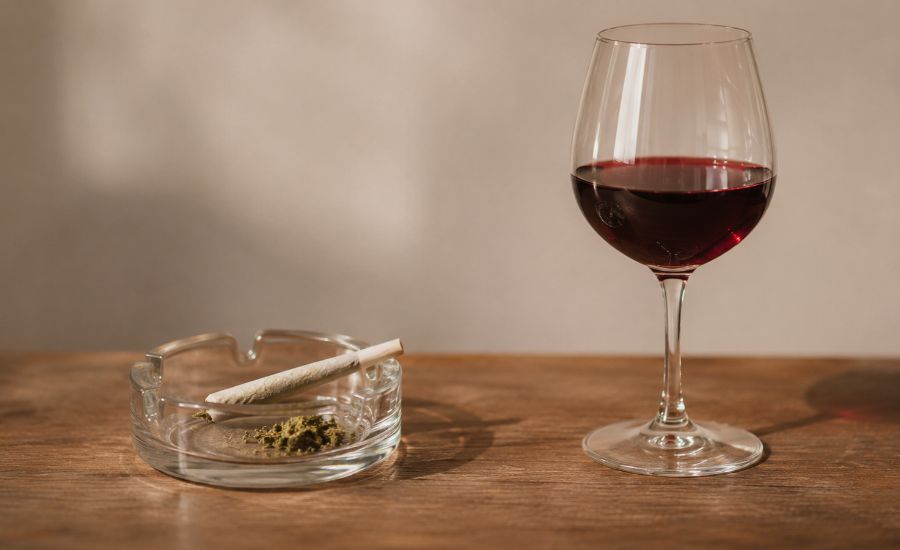

Imagine two people unwinding after a long day. One pours a glass of red wine, while the other lights a marijuana joint.
Society has traditionally viewed these two habits very differently. Drinking wine is often associated with relaxation, social gatherings, and even a healthy lifestyle, while smoking marijuana has long been surrounded by controversy.
But when it comes to their effects on the human body, is one really safer than the other?
Both alcohol and cannabis are psychoactive substances capable of altering brain function, influencing behavior, and affecting physical and mental health.
However, they interact with the body through remarkably different biological mechanisms.
From cancer risk and liver damage to addiction, memory, and cardiovascular health, the scientific comparison is far more complicated than many people realize.
One Joint vs. One Glass of Wine: What Are We Actually Comparing?
Before comparing their health effects, it is important to understand that a glass of wine and a marijuana joint are not necessarily equivalent doses.
A standard five-ounce glass of wine containing 12% alcohol provides approximately 14 grams of pure alcohol.
A marijuana joint, on the other hand, can contain widely varying amounts of tetrahydrocannabinol (THC), the primary intoxicating compound in cannabis.
Its effects depend on the potency of the cannabis, the amount consumed, individual tolerance, and whether tobacco or other substances are present.
There is no universally accepted conversion between a glass of wine and a marijuana joint.
Nevertheless, comparing how these substances affect different organs and biological systems reveals some fascinating differences.
1. Which Is More Harmful to Your Brain?
Alcohol acts as a central nervous system depressant. It alters communication between brain cells, affecting judgment, coordination, reaction time, and emotional regulation.
Although one glass of wine may create a temporary feeling of relaxation, repeated alcohol consumption can negatively affect memory, sleep quality, and cognitive function.
Cannabis works differently. THC interacts with cannabinoid receptors in the brain, particularly those involved in memory, pleasure, appetite, and perception.
Depending on the individual and the amount consumed, cannabis may cause relaxation, euphoria, anxiety, paranoia, or temporary memory impairment.
Frequent cannabis use, particularly during adolescence and early adulthood, raises additional concerns because the brain is still developing.
The verdict: Both substances affect brain function, but their effects differ considerably. Neither should be considered harmless.
2. Which Is Worse for Your Liver?
When you drink wine, your liver is responsible for metabolizing most of the alcohol you consume.
During this process, alcohol is converted into acetaldehyde, a toxic compound that can damage cells and interfere with normal biological functions.
Regular excessive alcohol consumption can contribute to:
- Fatty liver disease
- Alcohol-associated hepatitis
- Liver fibrosis
- Cirrhosis
- Liver cancer
Cannabis compounds are also metabolized by the liver, but cannabis consumption has not been established as a cause of progressive liver damage in the same way as alcohol.
However, concentrated cannabinoid products, particularly high-dose CBD preparations, can affect liver enzymes and interact with certain medications.
The verdict: Alcohol has a much more clearly established connection with serious chronic liver disease.
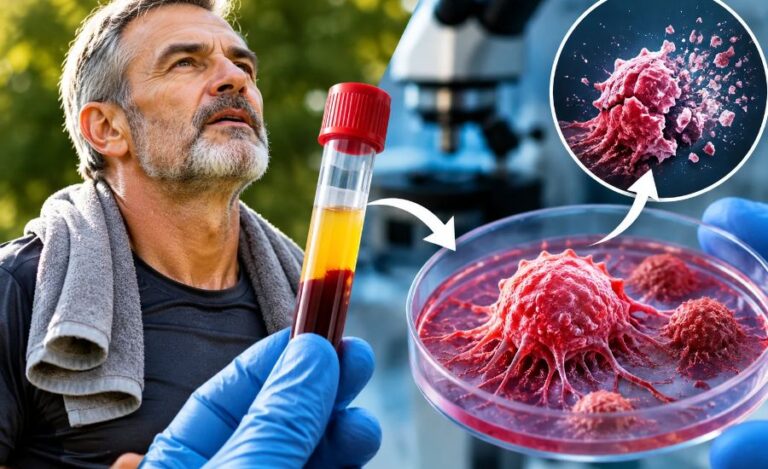
3. Which Carries a Greater Cancer Risk?
This is perhaps one of the most surprising differences between alcohol and cannabis.
According to the World Health Organization and the National Cancer Institute, alcohol is an established human carcinogen.
Alcohol consumption increases the risk of at least seven types of cancer:
- Breast cancer
- Liver cancer
- Colorectal cancer
- Mouth cancer
- Throat cancer
- Esophageal cancer
- Laryngeal cancer
Even relatively low levels of regular alcohol consumption can increase the risk of certain cancers, particularly breast cancer.
It is not the type of alcoholic beverage that determines whether this risk exists. Wine, beer, and spirits all contain ethanol.
Cannabis smoke, meanwhile, contains numerous toxic and potentially carcinogenic substances, many of which are also present in tobacco smoke.
However, the relationship between cannabis smoking and different types of cancer remains less clearly established. Researchers face challenges separating the effects of cannabis from tobacco use and other lifestyle factors.
The verdict: The causal relationship between alcohol consumption and several types of cancer is firmly established. Cannabis smoke is not harmless, but its long-term cancer risks remain less fully understood.
4. Which Is More Harmful to Your Lungs?
Here, the comparison changes considerably.
Drinking a glass of wine does not directly expose your lungs to smoke.
Smoking a marijuana joint involves inhaling combustion products that can irritate and damage respiratory tissues.
Regular cannabis smoking has been associated with:
- Chronic coughing
- Increased mucus production
- Wheezing
- Bronchitis symptoms
- Respiratory irritation
Cannabis smoke contains fine particles, carbon monoxide, and other potentially harmful compounds.
Mixing cannabis with tobacco introduces additional well-established health risks.
The verdict: When comparing drinking wine with smoking marijuana, the joint presents more direct risks to respiratory health.
5. Which Is More Dangerous for Your Heart?
For decades, red wine was promoted as potentially beneficial for cardiovascular health, partly because it contains antioxidants such as resveratrol.
However, scientists increasingly question whether the potential benefits associated with wine outweigh the established risks of alcohol.
Regular alcohol consumption, especially at higher levels, can contribute to high blood pressure, irregular heart rhythms, cardiomyopathy, and stroke.
Cannabis can also affect cardiovascular function.
THC may temporarily increase heart rate and alter blood pressure. Observational studies have identified associations between cannabis use and cardiovascular complications, including heart attacks and strokes.
However, researchers are still investigating the extent to which cannabis directly causes these outcomes.
People with existing cardiovascular disease may be particularly vulnerable to the acute effects of either substance.
The verdict: Neither wine nor cannabis should be considered a reliable way to protect your heart.
6. Which Substance Is More Addictive?
A common misconception is that cannabis cannot cause dependence because it comes from a plant.
In reality, both alcohol and cannabis can lead to substance use disorders.
People who develop alcohol dependence may experience cravings, difficulty controlling consumption, and withdrawal symptoms when they stop drinking.
In severe cases, alcohol withdrawal can cause seizures and potentially life-threatening complications.
Cannabis dependence can also develop, particularly among individuals who use it frequently or consume high-THC products.
Cannabis withdrawal symptoms may include irritability, anxiety, insomnia, restlessness, and changes in appetite.
The likelihood of developing dependence varies according to genetics, age, frequency of consumption, mental health, and other individual factors.
The verdict: Both substances can be addictive, but severe alcohol withdrawal generally presents a greater immediate medical danger.
7. Which Is Worse for Your Mental Health?
Many people consume wine or cannabis because they believe it helps them manage stress, anxiety, or emotional discomfort.
However, temporary relief does not necessarily translate into long-term psychological benefits.
Alcohol may initially reduce inhibitions and create feelings of relaxation. As its effects wear off, some individuals experience increased anxiety, disrupted sleep, or low mood.
Regular heavy drinking can also contribute to depression and other mental health difficulties.
Cannabis can produce feelings of relaxation in some individuals while triggering panic, paranoia, or severe anxiety in others.
Frequent use of high-potency THC products has been associated with an increased risk of psychosis, particularly among people with an underlying vulnerability.
The verdict: Both substances can negatively affect mental health. Cannabis presents particular concerns regarding psychosis, while problematic alcohol consumption can contribute to depression, anxiety, and emotional instability.
8. Which Is More Likely to Cause a Fatal Overdose?
Alcohol poisoning is a well-established medical emergency.
When dangerously large amounts of alcohol are consumed, vital brain functions controlling breathing, body temperature, and consciousness can become impaired.
Severe alcohol poisoning can result in coma, permanent brain damage, or death.
A fatal overdose caused solely by conventional cannabis is considered extremely unlikely. However, excessive THC consumption can still cause serious intoxication, panic, confusion, vomiting, and cardiovascular complications requiring emergency medical attention.
Cannabis-related impairment can also contribute to serious injuries and fatal accidents.
The verdict: Alcohol presents a substantially greater risk of directly fatal poisoning, although cannabis consumption is not without potentially serious consequences.
9. Which Is Worse for Your Sleep?
Many people mistakenly believe that feeling sleepy after consuming a substance means they are getting better-quality sleep.
Alcohol may help some individuals fall asleep faster, but it can disrupt normal sleep architecture and contribute to nighttime awakenings.
Cannabis may also influence the time it takes to fall asleep. However, its effects depend on the dose, cannabinoid composition, and frequency of consumption.
Regular cannabis users may experience disrupted sleep and vivid dreams when they stop using it.
Neither alcohol nor recreational cannabis is a reliable long-term solution for insomnia.
The verdict: Both substances can interfere with healthy sleep patterns, particularly when used regularly.
One Joint vs. One Glass of Wine: A Side-by-Side Comparison
| Health factor | Wine (Alcohol) | Marijuana Joint |
|---|---|---|
| Liver damage | Well-established risk with chronic excessive consumption | Less clearly established |
| Cancer risk | Established human carcinogen | Smoke contains carcinogens; overall cancer risk remains under investigation |
| Lung damage | No direct smoke exposure | Direct exposure to harmful smoke |
| Addiction | Can cause dependence | Can cause dependence |
| Fatal overdose | Possible | Extremely unlikely from cannabis alone |
| Mental health | May worsen anxiety and depression | May trigger anxiety, paranoia, and psychosis |
| Heart health | May increase blood pressure and cardiovascular risks | May increase heart rate and cardiovascular risks |
| Sleep quality | Can disrupt normal sleep | Effects vary; regular use may cause sleep-related problems |
| Driving ability | Impairs judgment and coordination | Impairs reaction time and coordination |
Is Red Wine Really Healthy Because It Contains Antioxidants?
Red wine contains polyphenols, including resveratrol, which have attracted considerable scientific interest.
Laboratory studies have investigated resveratrol for its potential antioxidant and anti-inflammatory properties.
However, the presence of beneficial plant compounds does not cancel out the risks associated with ethanol.
Furthermore, obtaining polyphenols does not require drinking alcohol.
Grapes, blueberries, cranberries, and peanuts contain naturally occurring polyphenols without exposing the body to ethanol.
Health authorities do not recommend that people begin drinking wine for its supposed cardiovascular benefits.
Does the Human Body Naturally Produce Cannabis-Like Chemicals?
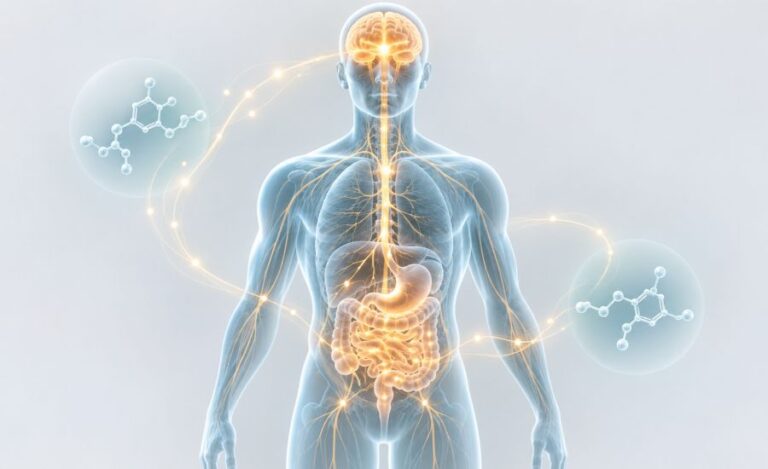
Interestingly, the human body already possesses its own endocannabinoid system.
This biological network produces naturally occurring compounds, including anandamide and 2-arachidonoylglycerol (2-AG), which participate in regulating mood, appetite, pain perception, memory, and stress responses.
THC interacts with some of the same receptors used by these naturally occurring compounds.
However, the existence of the endocannabinoid system does not mean that consuming cannabis is automatically beneficial or safe.
The body’s natural signaling mechanisms are tightly regulated, while externally consumed THC can affect these systems in substantially different ways.
What Happens When You Combine Alcohol and Cannabis?
Combining wine and cannabis does not necessarily balance out their effects.
Instead, using both substances together can intensify impairment, increasing the likelihood of dizziness, nausea, poor judgment, and accidents.
A controlled study published in JAMA Network Open in 2026 found that combining cannabis edibles with alcohol increased driving impairment compared with consuming either substance alone.
Although the study investigated edible cannabis rather than smoked joints, it highlights the potential dangers of combining these substances.
Neither alcohol nor cannabis should be consumed before driving or operating machinery.
Both should also be avoided during pregnancy, and individuals taking medications should discuss possible interactions with a healthcare professional.
Final Thoughts: Is One Joint Really Safer Than One Glass of Wine?
The scientific answer depends on which health risks you are comparing.
Alcohol has a more firmly established relationship with chronic liver disease, several cancers, fatal poisoning, and potentially life-threatening withdrawal.
Smoking cannabis, on the other hand, directly exposes the lungs to harmful combustion products and carries particular concerns involving memory, mental health, and cardiovascular function.
However, these differences do not establish that one joint is universally safer than one glass of wine.
The amount consumed, frequency of use, individual health, age, THC concentration, and other factors all influence the outcome.
Perhaps the most important lesson is that society’s perception of a substance does not necessarily reflect its biological risks.
Just because alcohol is socially accepted does not make it harmless. And just because cannabis comes from nature does not make it safe.
Ultimately, avoiding both substances is the lowest-risk choice.
The real question may not be which substance is better, but whether we have been judging their safety based on cultural traditions rather than scientific evidence.

Leave a Reply
You must be logged in to post a comment.